
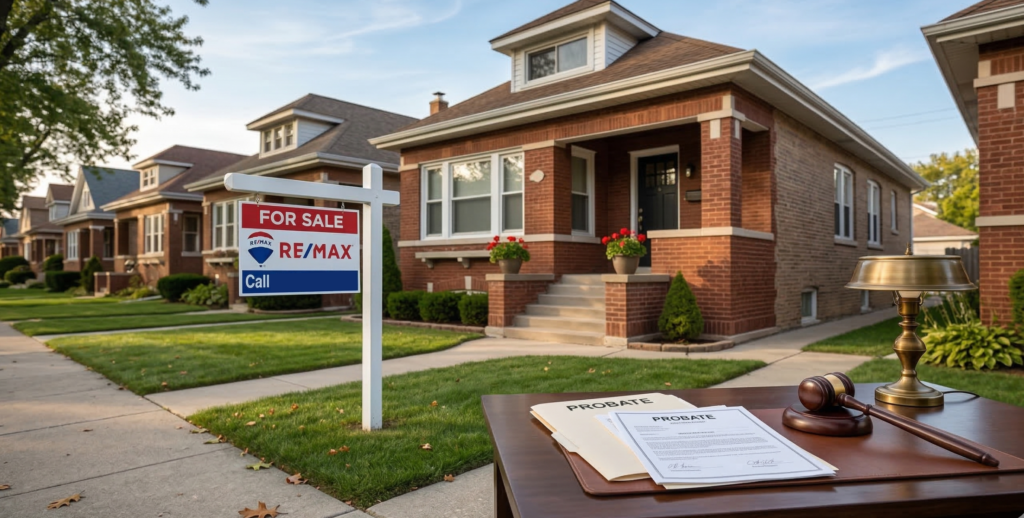
Buying property from an estate in Chicago can be a great opportunity, but it also comes with legal risks that don’t exist in a typical real estate transaction. When a home is sold after the owner passes away, the property is often part of a probate estate, which means the sale may require court approval, additional paperwork, and strict legal procedures.
If you are considering buying property from an estate in Chicago, understanding how probate works — and why legal oversight matters — can help you avoid delays, title problems, and unexpected costs.
What Does Buying Property From an Estate in Chicago Mean?
When a property owner dies and the home is still in their name, the property usually must go through probate before it can legally transfer to a buyer. Probate is the court-supervised process used to settle debts, verify heirs, and distribute assets. In Illinois, probate is typically required when real estate is owned solely in the deceased person’s name.
In Chicago, these cases are handled through the Probate Division of the Cook County Circuit Court, which oversees estate administration, will validation, and property transfers.
Because the court is involved, the transaction often moves slower and requires more documentation than a standard closing.
Risks When Buying Property From an Estate in Chicago Probate Sales
Estate sales can create unique legal issues that buyers may not expect.
1. Court approval may be required
In some probate cases, the executor cannot sell the property without court authorization, especially if the estate is under supervised administration. This can delay closing or even change the terms of the deal.
2. Title problems are more common
If the estate has multiple heirs, unpaid debts, or unclear ownership history, the title may not be ready to transfer. Probate exists partly to make sure assets are distributed correctly and legally.
3. Probate timelines can be long
Even simple probate cases in Cook County usually take months because Illinois law requires time for creditor claims and court review. More complex estates can take much longer.
4. Properties are often sold “as-is”
Many estate properties are sold without repairs, which means buyers must rely heavily on inspections and contract protections.
Why Legal Oversight Matters When Buying Property From an Estate in Chicago
Buying property from an estate is not just a real estate transaction — it is also a legal transaction.
A real estate attorney can help:
- Verify the executor has authority to sell
- Confirm the probate case allows the transfer
- Review the title for estate-related issues
- Ensure court approval requirements are satisfied
- Protect the buyer at closing
Without proper legal review, buyers risk delays, failed closings, or ownership disputes after the sale.
Chicago Buyers Should Be Especially Careful
Chicago probate sales often involve older properties, multi-family buildings, or long-held family homes. These situations can increase the chances of title complications, missing heirs, or unresolved liens.
Local legal knowledge matters because Illinois probate law and Cook County procedures can affect how — and when — a property can legally close.
Work With a Chicago Real Estate Attorney Before You Buy From an Estate
If you are buying property from an estate in Chicago, having an attorney review the deal early can prevent costly problems later.
Titcomb Law Group helps buyers, sellers, and investors handle probate-related real estate transactions with confidence.
From contract review to closing, legal oversight ensures the deal is done correctly the first time.
👉 Contact Titcomb Law Group to make sure your Chicago real estate closing is protected.
