Chicago environmental property issues can create serious financial and legal risks for buyers. Unlike cosmetic or structural defects, environmental contamination may follow an owner long after closing and can require costly remediation.
In a city like Chicago, where industrial history, redevelopment zones, and older infrastructure overlap, environmental risks are an important part of due diligence in real estate transactions.
Common Chicago Environmental Property Issues Buyers Should Know
Environmental concerns are not always visible during a standard home inspection. However, they may still affect property value and safety.
Common issues include:
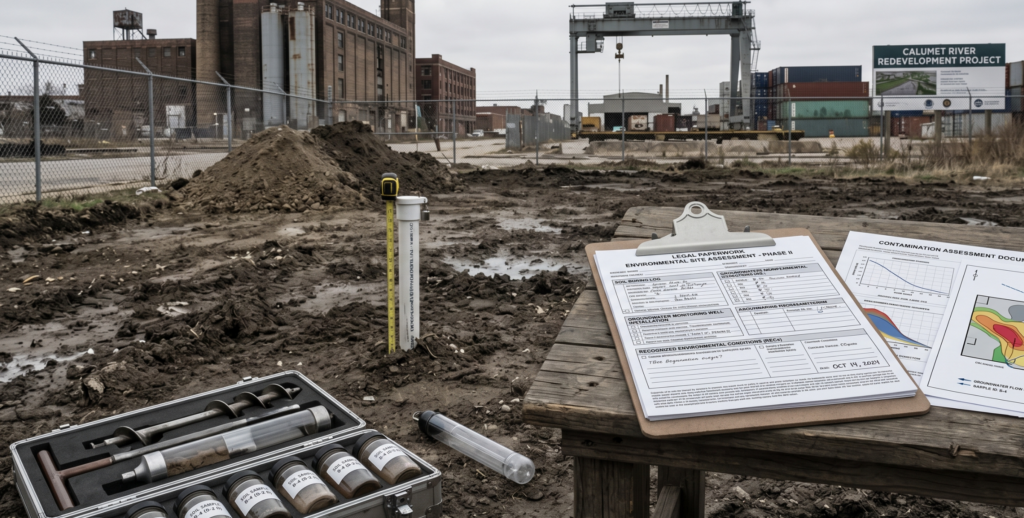
- Soil contamination from prior industrial use
- Underground storage tank leaks
- Lead-based paint in older buildings
- Asbestos in older construction materials
- Groundwater contamination
- Proximity to regulated environmental sites
The U.S. Environmental Protection Agency provides guidance on identifying and managing contaminated land under the Superfund program.
As a result, some properties may require environmental review before financing or closing.
Why Environmental Risks Matter in Chicago Real Estate
Chicago has a long industrial history, which means some properties may sit near or on previously used commercial or manufacturing sites.
Environmental risks can lead to:
- Expensive cleanup obligations
- Delays in closing or financing
- Reduced property value
- Legal liability for remediation
- Insurance complications
The Illinois Environmental Protection Agency oversees environmental cleanup and site management across the state.
Therefore, buyers must evaluate environmental exposure carefully before purchasing.
How Buyers Can Identify Environmental Property Issues
Most environmental risks are not obvious during a standard inspection. Buyers should look beyond surface-level reports.
Important steps include:
- Reviewing property history and prior land use
- Ordering environmental site assessments (Phase I ESA)
- Checking EPA and state environmental databases
- Reviewing seller disclosures carefully
- Consulting specialists when needed
In addition, commercial or older residential properties may require deeper investigation.
Legal Risks Linked to Environmental Contamination
Environmental issues can create long-term liability if not addressed before closing.
Potential risks include:
- Responsibility for cleanup costs
- Regulatory enforcement actions
- Restrictions on property use
- Reduced resale value
- Financing challenges
Because of this, environmental due diligence is often required in higher-risk transactions.
Why Legal Review Is Critical in Environmental Cases
Environmental reports often contain technical and legal language that is difficult to interpret.
A Chicago real estate attorney can:
- Review environmental reports and disclosures
- Identify liability risks before closing
- Coordinate with environmental consultants
- Advise on contract protections
- Help negotiate remediation terms or credits
Most importantly, legal review helps buyers understand long-term exposure before committing to a purchase.
Protect Your Investment With Titcomb Law Group
Chicago environmental property issues can create hidden risks that affect both value and long-term ownership. Identifying these issues early helps buyers avoid unexpected liability.
Titcomb Law Group assists Chicago buyers in reviewing environmental risks, disclosures, and contract protections before closing.
👉 Contact Titcomb Law Group to evaluate environmental risks and protect your investment.
