
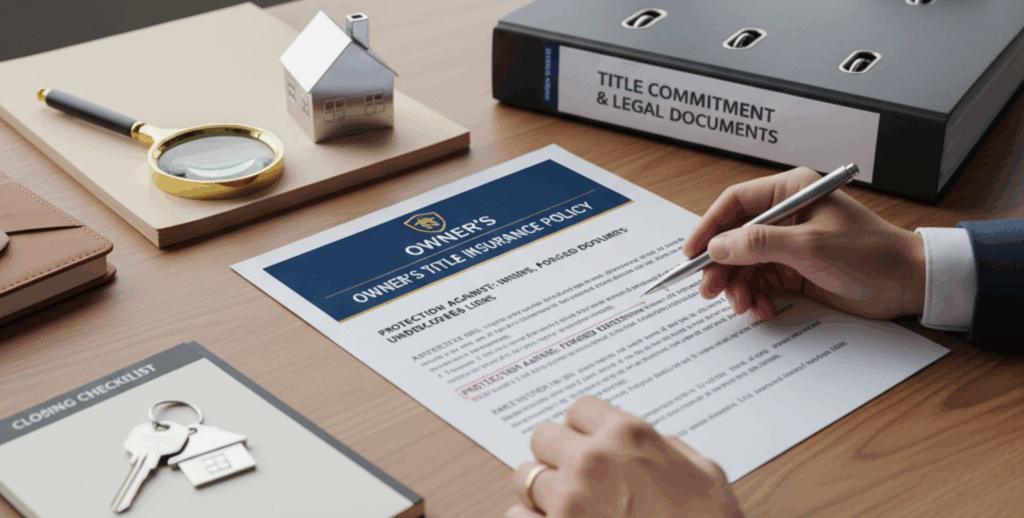
When buying property, title insurance might seem like just another closing cost — but it’s one that could save you from major financial loss. This often-overlooked protection ensures that your ownership rights remain secure, even if a past title issue resurfaces later.
What Is Title Insurance?
Title insurance protects property owners and lenders from losses due to defects or disputes in the property’s title. Common issues include clerical errors, undisclosed heirs, forged signatures, or unpaid liens that can threaten ownership.
Unlike other forms of insurance that protect against future events, title insurance focuses on past risks — anything that might have already happened but hasn’t yet been discovered.
For more details, the Consumer Financial Protection Bureau (CFPB) offers a clear explanation of how title insurance works in real estate transactions.
Why Title Insurance Matters
Imagine buying your dream home, only to find out months later that someone else claims ownership or there’s a lien you didn’t know about. Without title insurance, you could face thousands in legal fees to defend your rights or even lose the property entirely.
Title insurance provides peace of mind. It covers legal defense costs and potential financial losses if your title is challenged — making it a vital safeguard for any homeowner or investor.
You can read more about common title problems from the American Land Title Association (ALTA), which highlights how these issues arise unexpectedly.
How It Works
During closing, a title company or attorney conducts a title search to verify that the seller legally owns the property and that no liens or disputes exist. Once verified, you can purchase a title insurance policy to protect against any future claims missed during that search.
There are two types of title insurance:
- Owner’s Policy: Protects the buyer’s ownership interest.
- Lender’s Policy: Protects the lender’s investment until the mortgage is paid off.
Do You Really Need Title Insurance?
While not always mandatory, skipping title insurance can be risky. Even with a thorough title search, hidden issues may still surface years after you buy.
For example, an undiscovered heir or a clerical recording error might challenge your ownership down the road. It ensures that, if that happens, your legal rights are defended and your investment remains protected.
The National Association of Realtors (NAR) notes that title insurance remains one of the most effective ways to prevent ownership disputes and protect property buyers from costly surprises.
Why You Should Consult a Real Estate Lawyer
A real estate lawyer can review your title documents, identify potential red flags, and ensure your policy provides adequate coverage. They also explain exclusions and guide you through the fine print — ensuring you’re not underinsured.
Working with a lawyer adds an extra layer of protection so you understand exactly what your title insurance covers and what it doesn’t.
Final Thoughts
Title insurance may seem like an optional expense, but it’s a crucial investment in peace of mind. It protects your legal rights and financial interests long after you’ve closed the deal.
At Titcomb Law Group, we help clients understand the coverage, review policies, and ensure their ownership rights are fully protected. Before you close on your property, consult with our team to secure your investment and move forward with confidence.
