
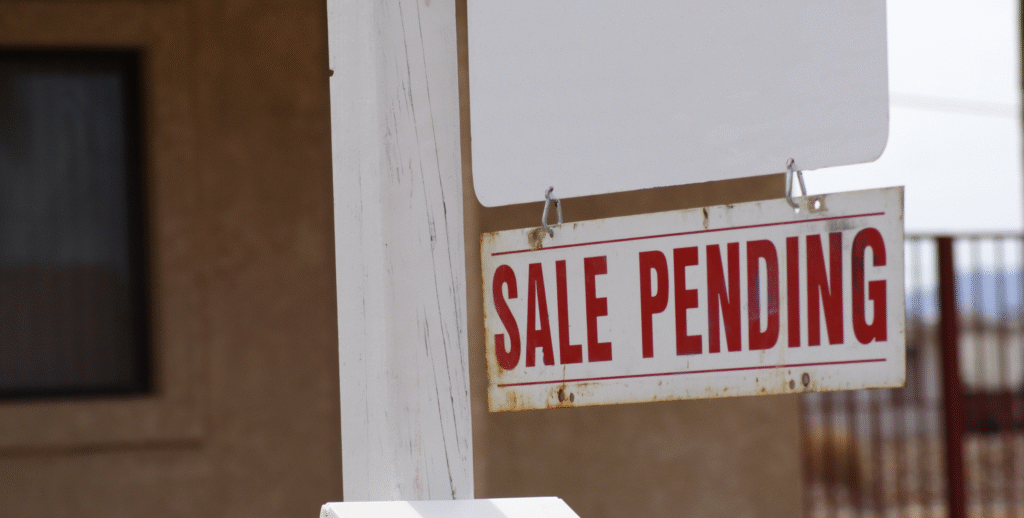
Even in Chicago’s fast-moving real estate market, a real estate deal can still fall through. Financing problems, inspection issues, title defects, or a buyer or seller backing out can all cause a deal to fail. Knowing your rights under Illinois law can help you recover losses, reclaim earnest money, or enforce the contract. A real estate lawyer in Chicago can guide you through these legal paths.
Why Real Estate Deals Fall Through in Illinois
In Illinois, common deal breakers include failed financing or appraisals, inspection results that reveal costly problems, and title issues—especially with older Chicago homes. Missing or unclear contingency clauses can also lead to disputes. Under Illinois law, sellers must follow the contract once it’s signed, unless a valid contingency releases them. In Schwinder v. Austin Bank, for example, the court confirmed that specific performance may be granted when a valid contract exists and the buyer has fulfilled or was ready to fulfill all obligations.
Earnest Money Rules When a Real Estate Deal Falls Through in Chicago
Earnest money (the deposit a buyer gives to show good faith) is customary in Illinois. How it’s handled depends on the contract and escrow rules. According to Illinois REALTORS® in their article Returning earnest money to buyers after a contract is cancelled, when a contract is terminated properly and the cancellation is mutual (with all parties’ agreement), the sponsoring broker must disburse the earnest money no later than the next business day after receiving notice of termination.
The contract’s terms control who gets the funds.If the buyer meets all financing, inspection, and appraisal contingencies, they can usually reclaim their earnest money. However, if they back out without a valid reason, the seller may keep it.
Legal Remedies When a Real Estate Deal Falls Through
- Specific Performance: Illinois courts can require a seller to close the sale when the contract is valid, duties are complete, and money damages aren’t enough. Schwinder v. Austin Bank is a key Illinois case that affirms this remedy.
- Contract Damages: Buyers may seek reimbursement for costs like inspections, appraisals, or lost opportunity, if the seller breaches the contract.
- Dispute over Escrow/Earnest Money: When there’s disagreement over who should get earnest money, Illinois law and rules like Section 1450.750 under the Real Estate License Act require escrow to follow contract terms or broker rules.
What You Should Do Immediately When a Real Estate Deal Falls Through in Chicago
- Review the contract carefully — check for deadlines, inspection/financing contingencies, appraisal clauses, and earnest money terms.
- Send written notice to the other party demanding earnest money release or enforcing performance, depending on who’s in breach.
- Preserve all documentation — inspection reports, emails, proof you met deadlines.
- Talk with a lawyer well-versed in Illinois real estate law — someone who knows Cook County practices, escrow laws, and local title issues.
- Try negotiation or mediation first — often cheaper and faster than court.
Final Thoughts
When a real estate deal falls through in Chicago, you’re not without recourse. Illinois law provides clear paths to recover earnest money, enforce contract performance, or claim damages—but only if you act correctly, understand the contract, and use the right legal tools.
👉 At Titcomb Law Group, we specialize in Illinois real estate law. If your deal falls through, our team can review your contract, protect your rights, and help you recover your earnest money or fair compensation. Contact us today to protect your position.
