
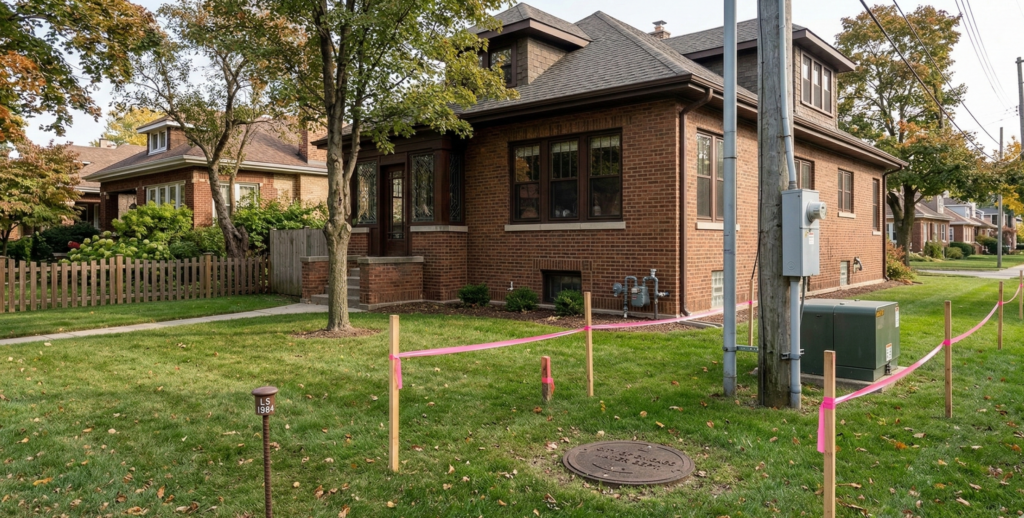
In easements Chicago real estate transactions, buyers sometimes discover that another party has legal rights to use part of the property. These rights may allow utility companies, neighbors, or government entities to access or maintain certain areas of the land.
Because easements can limit how property owners use their land, understanding easements Chicago real estate buyers encounter is essential before closing a transaction.
A careful legal review ensures buyers know exactly what rights they are purchasing — and what restrictions already exist.
What Easements in Chicago Real Estate Mean for Property Owners
An easement is a legal right allowing another person or entity to use part of a property for a specific purpose while the property owner retains ownership.
Common easements in Chicago real estate include:
- Utility line access
- Shared driveway use
- Alley or access easements
- Drainage easements
- Public infrastructure access
These rights often appear in property records or title reports and can affect where structures may be built.
Property records and easement filings are maintained by the
Cook County Clerk’s Office, which oversees official property recordings:
https://www.cookcountyclerkil.gov/recordings
Common Easements Chicago Real Estate Buyers Encounter
In dense neighborhoods throughout Chicago, certain easements appear frequently.
Examples include:
Utility Easements
Utility providers may have the right to install or maintain underground infrastructure.
Shared Driveway Easements
Two neighboring homes may legally share access to a driveway.
Alley Access Easements
Many Chicago properties rely on alleyways for garages or rear entrances.
The
City of Chicago Department of Transportation
oversees many public right-of-way regulations that affect easements:
https://www.chicago.gov/city/en/depts/cdot.html
How Easements Can Limit Property Use
While easements do not transfer ownership, they can restrict what property owners may do in specific areas.
For example, owners may not be able to:
- Build structures over utility easements
- Block access routes
- Alter drainage easements
- Fence off shared pathways
According to the
Consumer Financial Protection Bureau, property rights and title documentation are critical factors in real estate transactions:
https://www.consumerfinance.gov/ask-cfpb/what-is-a-property-title-en-195/
Understanding these limitations before buying prevents surprises later.
Why Legal Review Matters in Chicago Real Estate Transactions
An attorney reviewing easements Chicago real estate buyers encounter can identify:
✔ Recorded easements affecting the property
✔ Unusual access rights
✔ Building restrictions
✔ Conflicts with planned renovations
Legal guidance helps buyers understand the long-term impact of these rights before committing to a purchase.
Final Thoughts
Easements are common in Chicago real estate, but they can significantly affect how property owners use their land.
Understanding easements Chicago real estate buyers inherit is an essential step before closing. A legal review ensures buyers fully understand existing restrictions and avoid future disputes.
Titcomb Law Group helps Chicago buyers review easements, evaluate property rights, and protect their investment before closing.
📞 Contact Titcomb Law Group to ensure the property you purchase comes with clear expectations about ownership and use.
